Kim Jong Un Death Rumours: North Korea Releases New Photos
1. What Is the Latest News About Kim Jong Un?
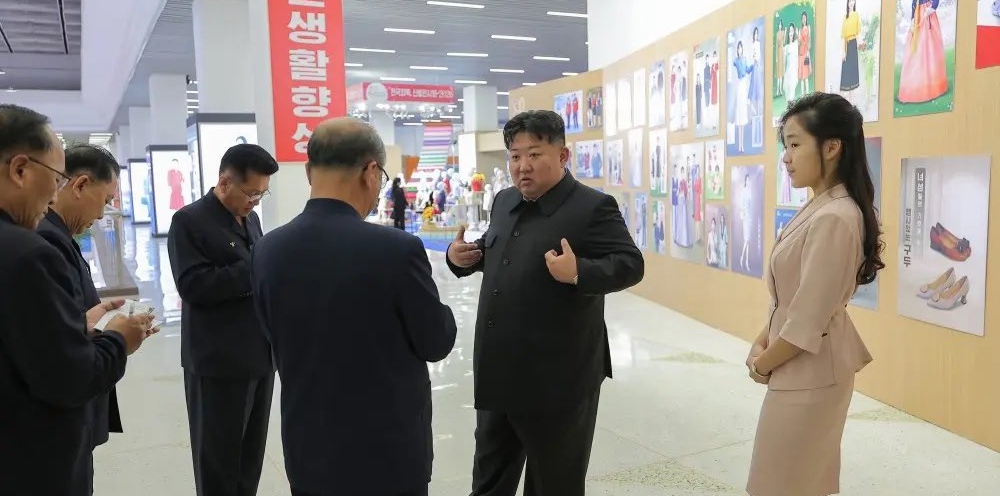
North Korea has released photographs showing leader Kim Jong Un attending a public event after rumours circulated online claiming that he had died from a brain haemorrhage. The images reportedly show him visiting a garment and footwear exhibition in Pyongyang on October 19, 2026, alongside his daughter, Kim Ju Ae. The development has attracted international attention because of the secrecy surrounding the North Korean leader's health and personal life.
2. Where Did the Death Rumours Come From?
The rumours reportedly originated from claims circulated on social media by Chinese dissident Wanjun Xie. According to reports, the individual alleged that Kim had suffered a brain haemorrhage, fallen into a coma and died after receiving emergency medical treatment. However, no independently verifiable evidence was provided to substantiate these allegations. The claims subsequently attracted attention online, prompting questions about the North Korean leader's condition.
3. How Did North Korea Respond to the Rumours?
North Korean state media reported Kim Jong Un's appearance at the exhibition and published photographs of the event. The coverage came amid growing speculation about his alleged death. However, state media did not explicitly address the rumours or announce that the photographs were intended to disprove them. Consequently, describing the release as an official response to the allegations would go beyond what has been confirmed.
4. What Do the New Photographs Show?
According to media reports, the photographs show Kim Jong Un examining clothing and footwear products and interacting with officials during his visit to the exhibition in Pyongyang. His daughter, Kim Ju Ae, was also reportedly present. These images were presented as evidence of a recent public appearance, contradicting claims that he had already died. However, the photographs' timing and authenticity have not been independently established through publicly available evidence.
5. Have South Korean Officials Confirmed His Death?
No credible confirmation of Kim Jong Un's death has emerged from South Korean officials. Reports indicate that officials said they had no information supporting the online claims. South Korea closely monitors developments involving North Korea because of their implications for regional security. Nevertheless, the absence of confirmation does not independently establish every detail of Kim's health, and the death allegations remain unsupported.
6. Why Is Kim Jong Un's Health Such an Important Issue?
Kim Jong Un's health attracts international attention because he leads a nuclear-armed country with significant influence over security in East Asia. North Korea maintains strict control over information concerning its leadership, making independent assessments of the leader's health difficult. Any confirmed major change in his condition could raise questions about political stability, leadership succession and the country's future domestic and foreign policies.
7. Are the Photographs Definitive Proof That Kim Jong Un Is Alive?
The photographs provide reported evidence of Kim's public appearance, but they should not automatically be treated as independently verified proof of his current condition. North Korean state media operates under government control, and publicly released images may not provide sufficient information to establish when they were taken or independently verify the circumstances. The available reporting does not substantiate the claim that Kim died from a brain haemorrhage.
8. What Is the Final Verdict on the News?
The story combines reports of a North Korean public appearance with unverified allegations about Kim Jong Un's death. While photographs reportedly show him attending an exhibition in Pyongyang, the claim that he died from a brain haemorrhage has not been supported by credible, independently verified evidence. News organisations should distinguish the reported public appearance from the unsubstantiated social media claims. For now, the death rumour should not be presented as an established fact.