Trump Pauses Russia Oil Tariffs, Giving India Temporary Relief
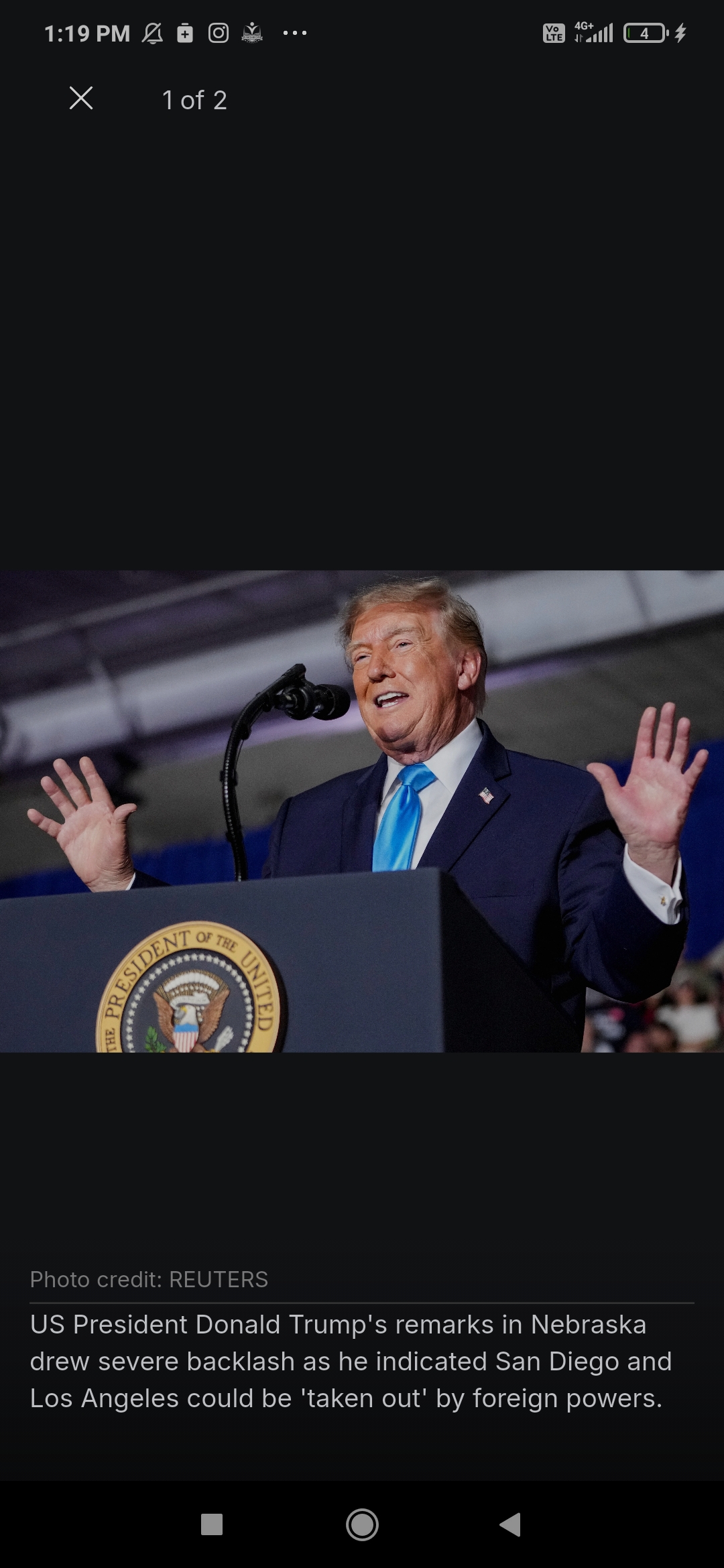
US President Donald Trump has temporarily waived key sanctions and tariff provisions targeting countries that purchase Russian oil and gas, easing the immediate threat of additional duties of up to 100% on major buyers, including India. The decision was announced on October 17, 2026, shortly before the relevant measures were due to take effect under the Lindsey O. Graham Sanctioning Russia and Iran Act of 2026.
Trump issued an executive order waiving the specified sanctions, restrictions and duties, stating that the decision was in the national interest of the United States. The law was designed to increase economic pressure on Russia over its war against Ukraine and gave the US president authority to impose steep tariffs on major purchasers of Russian energy.
India was among the countries potentially exposed to the proposed tariffs because it has been a major importer of Russian crude oil. Had the additional duties been imposed, Indian goods entering the US could have faced higher costs, potentially affecting exporters and trade relations between New Delhi and Washington. The waiver reduces the immediate risk, but it does not guarantee that the US will never take further action.
The decision also comes amid concerns over rising global energy prices and the impact of restrictions on oil supplies. Reports said the United States had recently reached an arrangement for Russian diesel supplies, adding an energy-market dimension to Washington’s decision. However, Trump’s order does not mean that all US sanctions against Russia have been removed; it waives specified measures under the new law.
The move has prompted criticism from some US lawmakers, who argue that easing the measures could weaken pressure on Moscow over the Ukraine war. Supporters of the waiver may view it as a way to protect US national interests and manage energy costs. The decision has therefore raised questions about how Washington will balance economic pressure on Russia with domestic energy needs and foreign-policy priorities.
For India, the waiver provides temporary relief from the specific tariff threat linked to Russian energy purchases. Nevertheless, uncertainty remains because the US administration retains options for future action, and broader trade negotiations between the two countries continue to matter. The practical impact will depend on how Washington implements its decision and whether any new measures are introduced later.