Trump Weighs ‘Mother of All Bombs’ as US Considers Strikes on Iran
1. What Is the Latest News About Trump and the ‘Mother of All Bombs’?
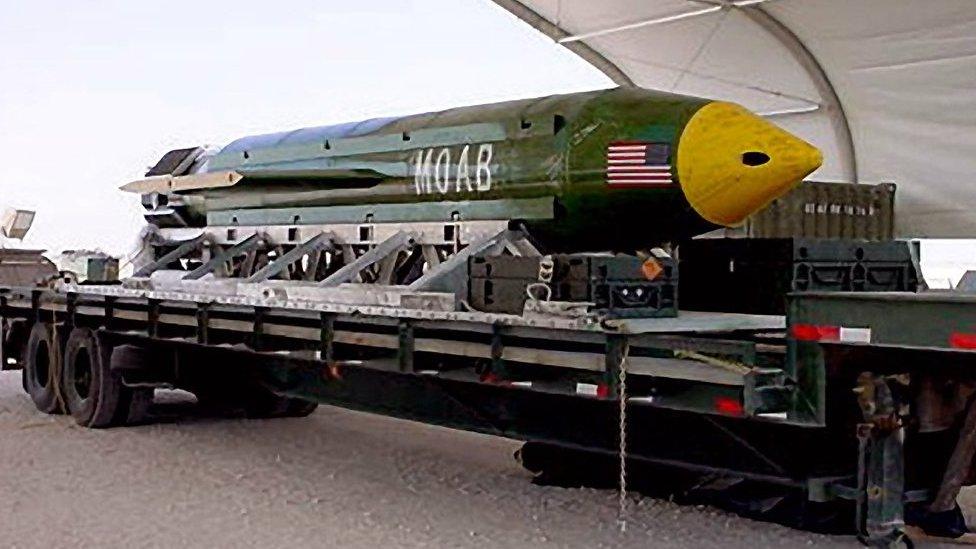
US President Donald Trump has raised the possibility of further American strikes against Iran, including potential attacks on sites linked to its nuclear programme. On October 16, 2026, Trump said Washington might have to target Pickaxe Mountain, a heavily fortified underground site associated with Iran’s nuclear activities. His comments came as reports indicated that the US military was examining additional strike options, including the possible use of the GBU-43/B Massive Ordnance Air Blast bomb, commonly known as the “Mother of All Bombs” (MOAB). However, Trump did not confirm that he had authorised the weapon’s use.
2. What Did Donald Trump Say About Attacking Iran?
In an interview with Newsmax, Trump said the United States wanted to prevent Iran from acquiring a nuclear weapon. Referring to Pickaxe Mountain, he said the facility was buried beneath a large amount of rock and suggested that the US might need to strike it. Trump also said he would not use nuclear weapons and reiterated that he was not considering sending American ground troops into Iran. His remarks indicated that further conventional military action remained possible, but they did not amount to a formal announcement of a specific bombing operation.
3. What Is the ‘Mother of All Bombs’?
The GBU-43/B Massive Ordnance Air Blast bomb is one of the largest conventional, non-nuclear weapons in the US arsenal. Designed to produce a powerful blast over a wide area, it is delivered by aircraft and is intended primarily for targets where a large surface-level explosion can have a substantial effect. Despite its nickname, MOAB is not a nuclear weapon and does not produce a nuclear explosion. Its enormous size and destructive power make it a significant military option, but its effectiveness depends on the target and the circumstances in which it is used.
4. Why Is Pickaxe Mountain Important in the Iran Dispute?
Pickaxe Mountain is described in reports as a heavily fortified underground facility near Iran’s Natanz nuclear complex. Its underground location has raised concerns about how effectively conventional weapons could damage the site. The United States has sought to limit Iran’s ability to develop nuclear weapons, while Tehran has maintained that its nuclear programme is peaceful. The status and purpose of specific underground facilities, along with the extent of any damage from earlier attacks, remain important points in the wider dispute. Trump’s comments have renewed attention on whether another military strike could achieve Washington’s stated objectives.
5. Could the MOAB Destroy Iran’s Underground Nuclear Facilities?
Military analysts have questioned whether MOAB would be suitable for destroying deeply buried facilities. The weapon is designed to deliver a large blast, but it is not the same as a specialised penetrator intended to reach hardened underground targets. Some analysts argue that using it against a deeply buried site might cause significant damage near the surface without guaranteeing the destruction of facilities located far below ground. Therefore, reports that the US is considering MOAB should not be interpreted as evidence that the bomb could eliminate Iran’s underground nuclear infrastructure. The weapon’s actual effectiveness would depend on the target’s construction, depth and surrounding geology.
6. Has Trump Ordered the Attack, and What Could Happen Next?
As of October 17, 2026, the available reports did not establish that Trump had authorised the use of MOAB against Iran. The US administration was reported to be considering military options, while Trump’s public comments kept the possibility of further strikes open. Any new attack could intensify the conflict and create wider security and economic consequences, including risks to regional stability and global energy markets. For now, the key distinction is that the weapon’s potential use has been discussed, but a confirmed order to deploy it has not been publicly established. Further developments will depend on decisions by the US administration and the evolving situation with Iran.